Nature's Children: Stop, look and listen
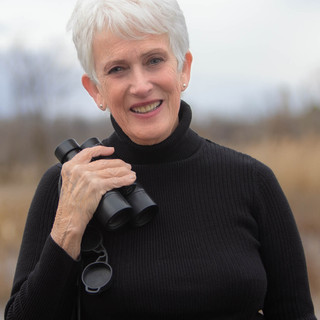

AI generated image
It was a beautiful spring day. The sun was shining and birdsong floated through the open classroom window. The children were sick of being inside. So was I, but being a young conscientious teacher, it was time for writing, and writing was what we were going to do. When I told them to get out a piece of paper, their faces fell and there were a few groans of dismay. I felt their angst. Then, apropos of nothing, from the deep recesses of my brain came a little poem my first grade teacher, Mrs. Carver, taught us:
"Stop, look and listen
Before you cross the street.
First you use your eyes and ears,
Then you use your feet."
As the words stop, look and listen echoed in my head, I remembered an activity from a teachers' magazine, a radical new technique that would probably be frowned on by the administration. "What the heck," I thought. " Can't hurt to try. I'll just rewrite those lesson plans later." (I now know that some of the best lesson plans are devised on the spur of the moment.)
"Grab a pencil and a notebook," I said. "We're going outside." Poor children, they thought I'd lost my mind. At our school, nobody was allowed outside unless it was time for recess!
Before we left the room I explained the activity:
We're going out to write, not play
No talking
Find your own spcace, away from others
Stop....quiet your mind
Look at your surroundings
Listen to the sounds around you
Write
Back then "writing" meant teacher-assigned topics so they were confused.
"But what should we write?" they asked.
"Anything you want. Just write what you see and hear."
"Do we have to spell it right."
"No, spelling won't count this afternoon."
Much relieved, they lined up to go outside. Before we left the building I reminded them of what they were to do. When we got to the playground, to my surprise they took the assignment seriously. There was no horsing around and no talking. They each found a private spot and began to write. Rather than walk around to monitor them, I too settled down to write, a very un-teacherly thing to do.
After 20 minutes I called them together and we sat in a circle to share what we had written. There were organized lists and detailed descriptions. There were flights of fancy and reports of dancing butterflies. Billy said he actually heard his dog barking from down the block. Susie, who was afraid of everything, wrote that a bee flew by and she wasn't scared. Even the most reluctant writer was willing to share. I read what I had written, but it was clear that the children's observations were far keener than mine. For some of the them, observing nature was nothing new, but for others this simple exercise opened a new world, a world full of bugs and birds and the quiet sound of rustling leaves. One little fellow, the one who never stopped for anything, said, "Wow, there's a lot going on outside. I never noticed that before."
Throughout the rest of my teaching career, I took my classes outside to write, to observe and to appreciate the world around them. Some of their best writing came from those quiet moments. For me, seeing the world through their eyes was a gift that brought back memories of my own childhood and helped me be more understanding of wiggly children. It also rekindled the deep connection to nature that had formed years before as I roamed the countryside with my father.
I learned life-long lessons on that long ago spring day, lessons that not only changed the way I taught, but helped change the way I lived. I learned that it's okay to break the rules sometimes. I learned that it's a good idea to listen to the bird outside my window and to put aside the "shoulds" and "need-tos" once in a while.
I also learned that Mrs. Carver was right, it's important to simply stop, look and listen.
Betsy Saunders
January 1, 2026


Very inspirational - it’s often in the small, quiet moments where we learn/connect with our true inner self.